

Planning a Trip to Paris? A Complete Paris Travel Guide for First-Time Visitors
Share
Planning a trip to the City of Light? Looking to escape to Paris to take in the sights, eat the food, and shop along Avenue des Champs-Élysées? If so, there’s no doubt that you’ll be taking the trip of a lifetime. Paris is home to so many sights and culinary delights that your biggest challenge will be prioritizing what to see, what to do, and what to put on the list for the next time you return (trust us, Paris is one of those cities that you’ll want to return to again and again).
That’s why planning a Parisian getaway can be so stressful for travelers who want to see and do it all, but know that there is no way to experience all that the City of Love has to offer. And that’s why our team at Chapters has put together this helpful Paris travel guide. By following our tips, you’ll be sure to create so many memories that you’ll be excited to relive them time and again.
What Should You Know Before Your Trip to Paris?
Paris is a big city with a population of nearly 2.1 million people, attracting an estimated 49 million travelers each year. Plan at least three days to see major sights such as the Eiffel Tower, Notre-Dame Cathedral, Arc de Triomphe, Montmartre, and Sacré-Cœur. For a Seine River cruise, the Tuileries Garden, Avenue des Champs-Élysées, the Catacombs, Père Lachaise, and plenty of time at the Louvre Museum, allow five or six days. Reserve major attractions ahead when possible, expect lots of walking, learn a few French phrases, and leave time for cafés and spontaneous stops.
When is the Best Time to Visit Paris?
Paris is truly a year-round destination, so there’s really no bad time to go. However, if comfortable weather is at the top of your wish list, April through May and September through October are hard to beat. Temperatures tend to be mild, making it easier to spend long days walking the city and enjoying outdoor cafés.
June through August is peak season for Paris travel, which means larger crowds and generally higher prices. Summer can also bring heat waves. In fact, Paris experienced several periods of extreme heat during summer 2026.
November through February can be less expensive, but expect colder temperatures and plenty of gray days. The tradeoff? Winter visitors can enjoy holiday lights, seasonal markets, museum days, cozy cafés, and plenty of reasons to warm up with a pastry and hot chocolate.
Where Should First-Time Visitors Stay in Paris?
If you’re planning Paris travel for the first time, rest assured that there are plenty of places to stay. In fact, Statista suggests that there are over 1,600 hotels in the city and surrounding area. Plus, our research found that if a hotel doesn’t suit your fancy, then there are over 41,000 active listings for short-term rentals, too.
That said, where are the best areas and neighborhoods for first-time visitors? Here are some recommendations:
-
1st Arrondissement puts you right in the heart of Paris, close to the Louvre, Tuileries Garden, Palais Royal, and the Seine. It is a convenient choice for first-time visitors who want to walk to several major sights. You’ll also have plenty of photo opportunities for your travel photo album, from museum courtyards to garden views.
-
Le Marais offers historic streets, cafés, shops, and easy access to Place des Vosges, the Picasso Museum, and Notre-Dame Cathedral. Metro access is plentiful, and the neighborhood makes a great home base if you want sightseeing, dining, and shopping close by.
-
The Latin Quarter is another central choice, especially if you want to be near Notre-Dame, the Panthéon, Luxembourg Gardens, and the Seine. Its winding streets, bookstores, cafés, and historic buildings also give you plenty of scenes worth capturing on camera.
-
The 7th Arrondissement is hard to beat if seeing the Eiffel Tower is high on your list. You’ll also be near Les Invalides, the Champ de Mars, and the Seine. Imagine stepping outside your hotel and snapping another Eiffel Tower photo whenever the light is just right.
-
Montmartre is a little farther from many central attractions, but it has its own personality. Stay here for Sacré-Cœur, hillside streets, cafés, artists, and sweeping views over Paris. The area is well connected by Metro, although you should be prepared for hills and plenty of steps.
Whichever neighborhood you choose, pay attention to how close your accommodations are to a Metro station. And as you would in any major tourist destination, keep phones, wallets, and bags close in crowded areas. Pickpocketing and phone theft are common around tourist attractions and public transportation.
What to Do in Paris on Your First Visit?
As we have implied, there is so much to do in Paris that you won’t likely be able to see it all in one trip, unless, of course, you are planning to stay for several weeks. But even then, you’ll likely want to prioritize what you see.
Here are some of the most popular attractions. If you are wondering what to do in Paris, this is a good place to start.
-
Eiffel Tower. Head to the top for city views, or photograph it from the Trocadéro, Champ de Mars, or along the Seine. Consider dedicating an entire page in your coffee table photo book to the amazing photos you capture of this structure that was built for the 1889 World's Fair.
-
Louvre Museum. Give yourself several hours to see famous works such as the Mona Lisa and Venus de Milo, along with the museum’s many galleries.
-
Notre-Dame Cathedral. Visit this landmark on Île de la Cité, then walk along the Seine or stop at nearby Sainte-Chapelle.
-
Arc de Triomphe and Champs-Élysées. Climb the Arc for sweeping views, then walk the Champs-Élysées for shopping, dining, and photos.
-
Montmartre and Sacré-Cœur. Wander the winding streets, see the artists at Place du Tertre, and enjoy the view from Sacré-Cœur.
-
Seine River cruise. See many famous landmarks from the water, especially beautiful after dark.
-
Tuileries Garden. Take a break between attractions and snap casual photos for your travel album.
-
Père Lachaise Cemetery. Visit the graves of Oscar Wilde, Frédéric Chopin, Jim Morrison, and other famous figures.
How Do You Get Around Paris?
If you are reading this city guide to Paris and you’re planning a trip, don’t forget to pack comfortable walking shoes. Paris is incredibly walkable, and most tourists venture around the city on foot. That said, some attractions are a bit off the beaten path, and you may appreciate the opportunity to rest your feet.
Here are some easy options to help you get where you want to go:
-
Paris Metro. The Metro is often the easiest way to cover longer distances within the city. Stations are found throughout Paris, and Metro tickets can be loaded onto a Navigo Easy pass, smartphone, or compatible smartwatch.
-
RATP buses. Paris buses are another convenient choice, especially when you want to see more of the city along the way. RATP operates both the Metro and bus networks, making it easier to switch between transportation types.
-
Vélib’ Métropole. Rent a traditional or electric bike for a short ride or several days. Vélib’ has docking stations located throughout Paris and the surrounding area.
-
Lime, Dott, and Voi. Paris also permits these three companies to operate shared electric bikes without fixed docking stations. Rentals and payment are handled through each company’s app.
-
Taxis and ride services. These can come in handy after a long sightseeing day, when carrying luggage, or when public transportation is less convenient.
What Paris Travel Tips Should First-Time Visitors Know?
At this point in our Paris travel guide, you should have a pretty good idea of what to visit. But there are some other tips on what to do in Paris (and what not to do), that might be just as valuable. Here are some things that our team at Chapters has learned along the way.
-
Start with bonjour. A simple greeting goes a long way when entering a shop, café, bakery, or restaurant.
-
Make reservations when you can. Popular museums, landmarks, and restaurants can fill up quickly, especially during busy travel months.
-
Watch your belongings. Keep phones, wallets, and bags close in crowded areas, on the Metro, and around major tourist attractions.
-
Try the foods Paris is famous for. Pick up pastries and pain au chocolat from a bakery, pair Brie de Meaux with a French baguette, and try classics such as escargot, steak au poivre, and duck confit.
-
Order a French wine you may not drink at home. Try a light Gamay, a Chablis with crisp acidity, or a sparkling Crémant de Loire or Crémant de Bourgogne.
-
Leave room in your schedule. Some of the best Paris memories come from wandering a neighborhood, stopping at a café, or discovering a shop you never planned to visit.
-
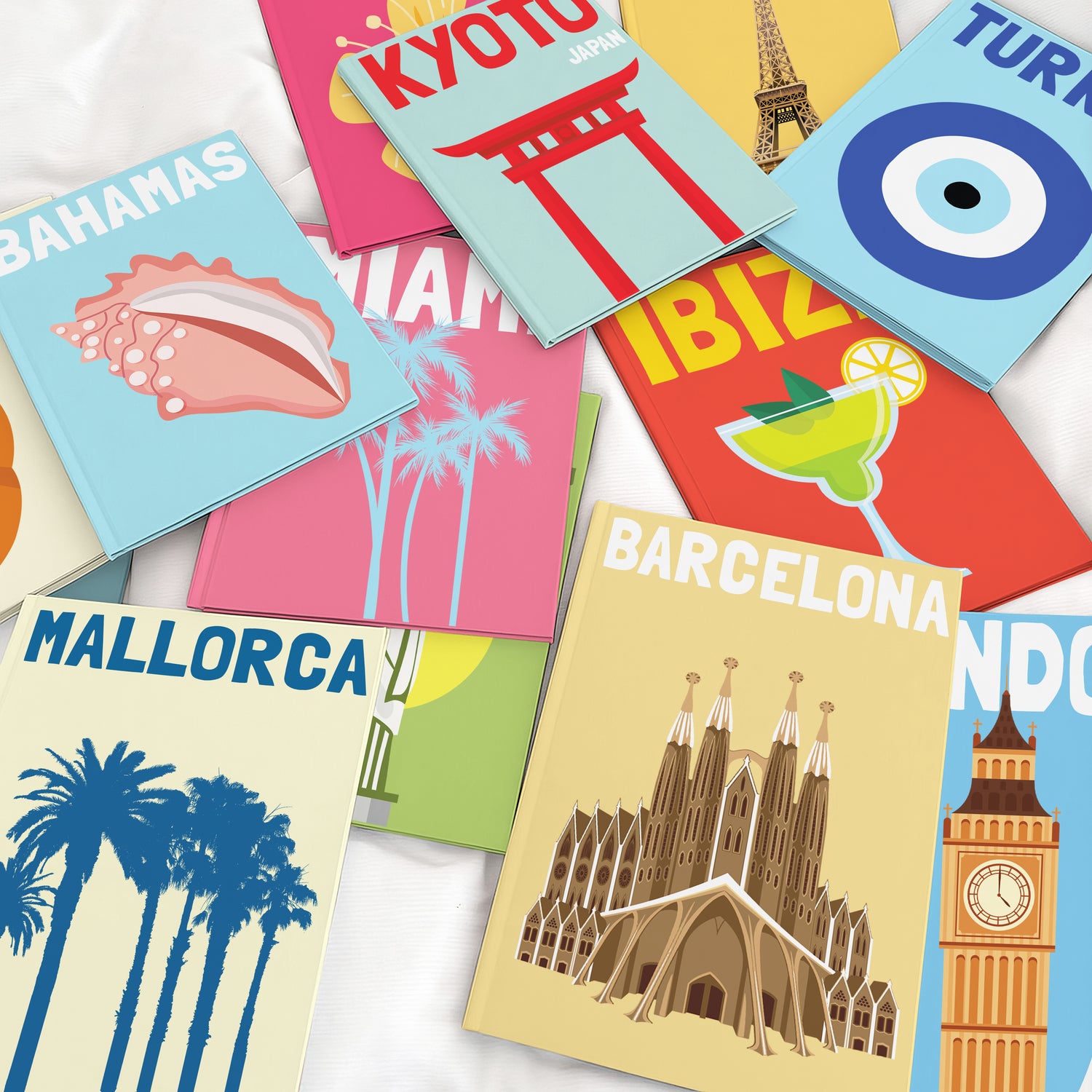
Take more photos than you think you need. Capture the meals, cafés, street signs, Metro entrances, storefronts, and everyday moments along with the famous landmarks. You’ll appreciate the extra photos when you compile your pastel-themed travel photo book after your trip.
How Can You Take Better Photos of Your Paris Trip?
We all know that a picture is worth a thousand words. But in Paris? The photos you take and display in your iconic-style travel photo book will be absolutely priceless. Here are some tips to help you get the most out of your Paris visitor guide and make sure you get the photos you really want (not just the ones you think you need).
-
Use the rule of thirds. Place the Eiffel Tower, Arc de Triomphe, or Sacré-Cœur slightly off-center rather than directly in the middle of the frame. This can make the photo feel more natural and give the surrounding scenery more room to tell the story.
-
Use Paris itself as a frame. Photograph the Eiffel Tower through tree branches, capture Notre-Dame between nearby buildings, or use an archway in the Louvre courtyard to frame the subject.
-
Take some photos from farther away. Instead of standing right beneath the Eiffel Tower, try the Trocadéro or a spot along the Seine where you can capture more of the setting.
-
Photograph the details, too. Snap close-ups of café tables, Metro signs, pastries, flower stalls, balcony railings, street lamps, and colorful doors. These smaller scenes can bring your travel photo book to life.
-
Look for reflections. After a light rain, puddles can reflect landmarks, cafés, and streetlights. You can also experiment with reflections along the Seine near sunset.
-
Include movement and everyday moments. Photograph someone walking through Montmartre, a boat passing beneath a Seine bridge, or cyclists near the Tuileries Garden. Those candid images can feel more personal than another posed landmark shot.
Are You Ready for Your First Trip to Paris?
We can’t emphasize enough that you might not be able to experience all that Paris has to offer in just one trip. Don’t let that disappoint you. Instead, embrace what you can and leverage this Paris travel guide to help make sure you don’t miss out on the most iconic and breathtaking places that the City of Light has to offer, such as the sparkle of the Eiffel Tower at night.
And while the trip itself may go by faster than you expect, the photos you take can help you hold onto those memories for years to come. Turn your favorite moments into a travel album that lets you relive your Paris adventure every time you open it.